

Let’s be honest for a second. We have all heard the standard advice when someone wrongs us. "Turn the other cheek." "Living well is the best revenge." "Just let it go." While that might work for saints or people with infinite patience, for the rest of us, it often feels like swallowing a jagged pill. You are left holding the bag of anger while the person who hurt you walks away scot-free, probably whistling a happy tune.
There is a growing realization among those of us who live in the real world that taking action isn't just about being petty. It is about restoring balance. Revenge as therapy is a concept that suggests finding closure through payback isn't a sign of emotional immaturity, but a way to reclaim your power. When you have been victimized—whether by a cheating spouse, a noisy neighbor, or a tyrannical boss—you lose a sense of agency. Getting even helps you take it back.
The Psychology of Getting Even
Why does the thought of slashing an ex’s tires (metaphorically, or perhaps literally in a video game) feel so good? It turns out, there is actual science behind the satisfaction of revenge. When we punish someone who has violated social norms or betrayed our trust, the reward centers in our brains light up. It is a dopamine rush.
Evolutionary psychologists often refer to this as "altruistic punishment." In early human societies, if someone hoarded food or hurt the tribe, letting them get away with it was dangerous. Punishing the bad actor kept the group safe and enforced the rules. Today, when your neighbor blocks your driveway for the tenth time, your primal brain screams for justice.
Restoring the Power Dynamic
When someone wrongs you, they are essentially saying, "I matter more than you. My needs are superior to yours." This creates a power imbalance. You feel small, disrespected, and helpless.
Payback flips the script. It sends a clear message: "No, you don't." By executing a well-planned prank or exposing a liar, you are actively rejecting the victim role. You are no longer the passive recipient of their bad behavior; you are the active architect of their consequences. This shift from passive to active is where the therapeutic value lies. It is hard to feel like a victim when you are the one pulling the strings.
When "High Road" Advice Fails
We have all tried taking the high road. You smile through the insults from your mother-in-law or quietly fix the mistake your coworker blamed on you. But suppressing anger doesn't make it disappear. It festers. It turns into resentment, anxiety, and even physical stress.

Sometimes, the "high road" is just a scenic route to a nervous breakdown.
Acknowledging that you want revenge is the first step toward honest emotional processing. It validates your feelings. It admits that what happened to you was unacceptable and that you have a right to be angry. For many, the fantasy of revenge is enough to soothe the nerves. For others, executing a harmless but humiliating prank provides the physical release needed to finally close the chapter.
Types of Therapeutic Payback
Not all revenge is created equal. Depending on the offense and your personal style, your path to closure might look very different. Here is how to categorize your counter-attack.
1. The "Karma Assistant"
This is for when you want the punishment to fit the crime perfectly. It is poetic justice. If you are dealing with cheaters who hid their infidelity, your revenge might simply be ensuring the truth comes out in the most public, inconvenient way possible. You aren't inventing a punishment; you are just facilitating the natural consequences of their actions.
2. The Petty Prank
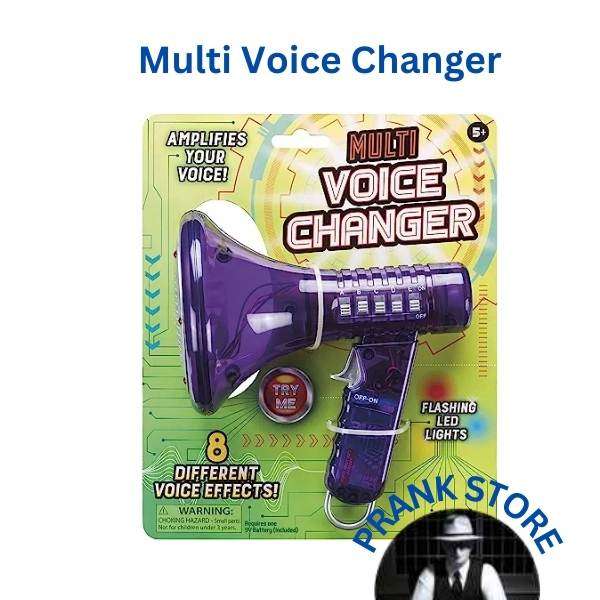
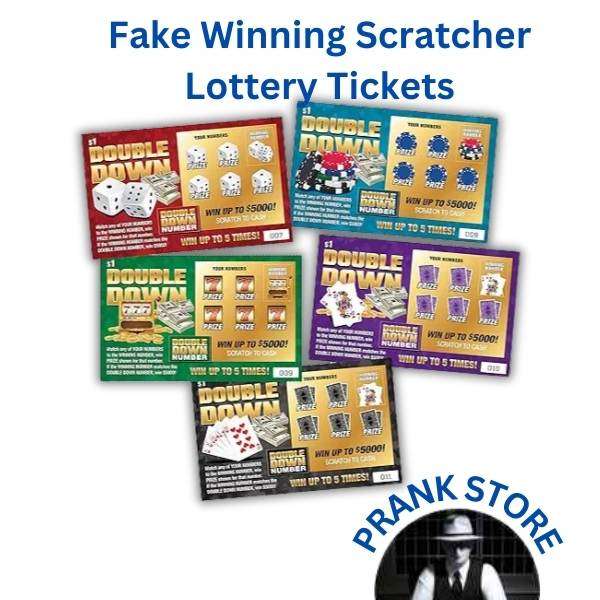
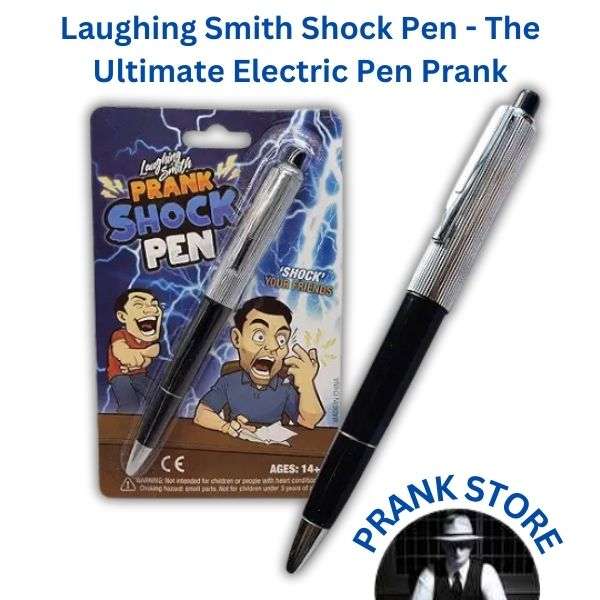
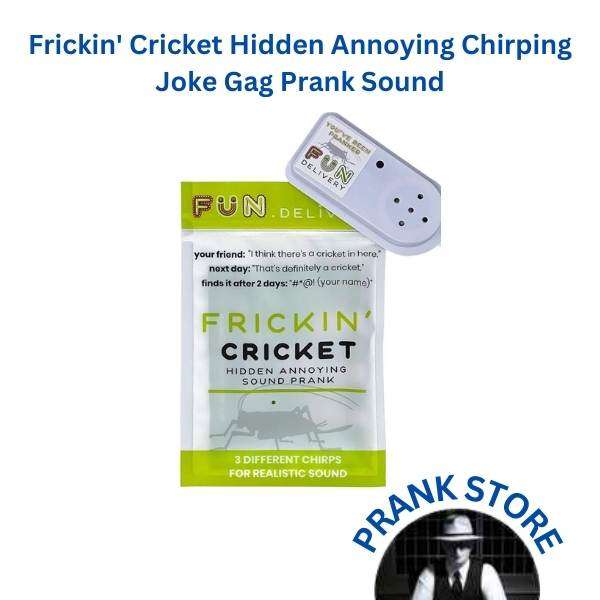
Perfect for annoying neighbors or bad roommates. This isn't about ruining lives; it is about being a nuisance. Think glitter bombs, signing them up for embarrassing junk mail, or the classic Blocked Driveway Revenge on Neighbor tactics. The goal here is to annoy them just enough that they feel the frustration they caused you. It is low-stakes, high-satisfaction.
3. The Cold Calculation
This is reserved for the serious offenders—the toxic bosses or the exes who stole money. This requires patience. It involves waiting for the perfect moment to strike when they least expect it. This type of revenge is a slow burn. The therapy comes from the planning process itself. Every time you think about how you were wronged, you can channel that energy into perfecting your plan.
Moving From Anger to Action
If you have decided that revenge is the medicine you need, you have to be smart about it. Reckless retaliation can land you in jail or cause blowback that makes your life harder. That defeats the purpose. The goal is to feel better, not to end up with a criminal record.
Assess the Risk
Before you act, weigh the consequences. Is this person litigious? Are they violent? If the answer is yes, you need to be incredibly subtle. Anonymous revenge is often the sweetest because it drives the target crazy with paranoia. They know someone is messing with them, but they don't know who. That psychological torment is often worse than the prank itself.
The Tool of Humiliation
Ego is the Achilles' heel of most bullies and narcissists. If you can strike at their ego without causing physical damage, you win. Exposing a liar's falsehoods to the people they try to impress is devastating. It strips away their mask. For someone seeking closure, seeing the person who hurt them lose their social standing can be incredibly validating.
Utilize Resources
You don't have to go it alone. There are tools designed to help you exact your toll. Whether it's novelty items that create foul smells or services that send anonymous messages, the modern avenger has a toolkit. Checking out The Revenge Guy's Store can give you inspiration for methods you hadn't even considered. Sometimes just browsing the options gives you a sense of control.

The "Closure" Myth
Therapists often talk about closure as something you find within yourself. They say you have to forgive to move on. But let's look at it differently. Closure is the feeling that a loop has been closed. An injustice occurred (the loop opened), and a correction was made (the loop closed).
If you leave the loop open—meaning the bad guy wins and you lose—your brain struggles to file that memory away. It keeps replaying the event, looking for a different outcome. By exacting revenge, you provide that different outcome. You finish the story on your terms.
Does this mean you should spend your whole life chasing vengeance? No. That’s exhausting. But a targeted, well-executed act of payback can be the period at the end of the sentence. Once the score is settled, you might find it surprisingly easy to finally walk away and never think about them again.
When to Walk Away (and When to Strike)
Revenge as therapy works best when it is the final act of the drama. If your retaliation starts a war that drags on for years, you aren't finding closure; you are just digging a deeper hole.
The best revenge is a strike that ends the conflict. It should be decisive. If you are dealing with a neighbor war that escalates every week, you might be trapped in a cycle rather than finding a solution. In those cases, the ultimate revenge might be moving away and calling the city on them every day from the safety of your new home.
However, if you have been sitting on anger from a past relationship or a job where you were screwed over, a one-time act of payback can be the release valve you need. It allows you to dump that heavy bag of resentment right on their doorstep and walk away lighter.
Final Thoughts
Society tells us to be nice. It tells us to be the bigger person. But society doesn't have to live with your anger—you do. If being the bigger person makes you feel small, maybe it is time to try a different approach.
Revenge, when done correctly, is about self-respect. It is a declaration that you are not a doormat. It is a way to externalize the pain so you don't have to carry it internally. So, if you are struggling to "let it go," maybe you should stop trying. Maybe you should get even instead. Once the scales are balanced, you might find that peace and quiet you were looking for all along.
Frequently Asked Questions
Q: Is revenge actually healthy for mental health?
While chronic anger is unhealthy, a single act of "altruistic punishment" or revenge can activate the brain's reward centers and restore a sense of justice. For many, it relieves the feeling of helplessness and victimhood, allowing them to move past the trauma more effectively than forced forgiveness.

Q: What are some legal ways to get revenge on a bad neighbor?
You can stick to legal annoyances like reporting code violations, parking legally but inconveniently (if local laws permit), or using non-damaging pranks like signing them up for junk mail. Always ensure you aren't trespassing or damaging property. Check out our section on neighbors for specific, safe ideas.
Q: How do I get closure if I can't get revenge?
If retaliation is too risky (e.g., a dangerous ex or a powerful boss), try "symbolic revenge." Write a letter you don't send, destroy an object that reminds you of them, or succeed wildly in a way they can see. Sometimes, living well really is the best revenge, especially if you make sure they know about it.
Q: Can revenge backfire on me?
Yes, if you act emotionally rather than strategically. Illegal acts can lead to arrest, and escalating a conflict with a violent person can be dangerous. Always assess the risk. The goal of therapeutic revenge is to make you feel better, not to complicate your life with legal trouble.
Q: Why can't I just forgive and forget?
Forgiveness is a process, not a switch. For some, forgiveness feels like condoning the bad behavior, which prevents healing. It is okay if you aren't ready to forgive. You can aim for "indifference" instead. Once you have settled the score or expressed your anger, you may find it easier to simply stop caring about them.
The Revenge Guy is your ultimate resource for turning the tables on those who have wronged you. Whether you need advice on handling a cheating partner, inspiration for the perfect prank on a nightmare neighbor, or just want to read satisfying stories of payback, we have your back. We believe that sometimes, getting even is the best way to get over it.